
Hello, I'm Kaylee.
As a research data librarian with a PhD in Art History and Visual Culture, I’m passionate about building bridges across disciplines, technologies, and communities. At the University of Utah, I manage our institutional data repository and support researchers in sharing their work openly, ethically, and sustainably. My background as a humanities scholar deeply shapes my approach to librarianship—I know firsthand how isolating and inaccessible scholarly work can be when collaboration is discouraged and access to tools and funding is limited. That’s why I advocate for data practices grounded in the principles of FAIR (Findable, Accessible, Interoperable, Reusable) and Open Science—practices that foster transparency, cross-disciplinary exchange, and impactful research. I’m especially invested in helping humanities and social science researchers develop strong research data management skills and in building cyberinfrastructures that support long-term preservation, discovery, and reuse.
I received my Ph.D. in Art History & Visual Culture from Duke University in 2021. I am currently a Research Data Librarian at the J. Willard Marriott Library at the University of Utah.
RECENT PUBLICATIONS
Quantifying Trauma: Death, Data, and Memorial Collecting
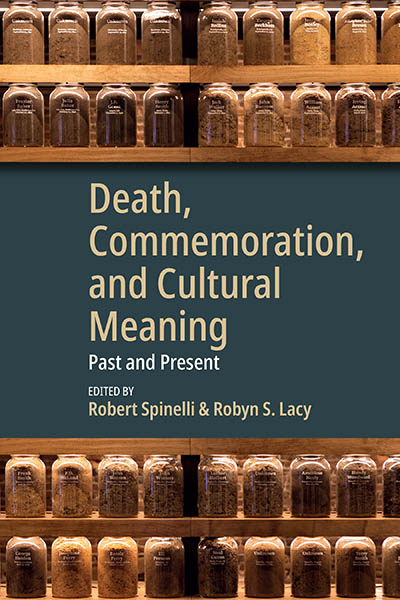
In Death, Commemoration, and Cultural Meaning Past and Present, edited by Robert Spinelli and Robyn S. Lacy. Berghahn, 2026.
Monuments and memorial collections often rely on strategies akin to data visualization to convey the scale of traumatic events. From Maya Lin’s Vietnam Veterans Memorial to installations like Ai Weiwei’s Remembering, these designs compress overwhelming quantities of information into confined spaces, creating affective experiences that facilitate understanding. This article introduces the concept of “data monuments”—commemorative structures or installations that visualize large amounts of information to transmit complex or distressing histories—and examines memorial collecting as a subcategory of this practice. Drawing on examples from Holocaust memorials, the Equal Justice Initiative’s Community Soil Collection Project, and digital humanities initiatives such as Slave Voyages, the article interrogates the ethical and affective dimensions of quantifying loss. It argues that while data-driven memorials can foster engagement and remembrance, they also risk trivializing or reenacting trauma, particularly when appropriated data are reused without critical reflection. By situating memorial practices within the broader discourse of data visualization, this study calls for intentional, humanistic approaches to designing physical and digital commemorations that resist desensitization and promote justice-oriented remembrance. Read the full chapter here.
Buy the book here (use discount code SPIN2909 for 50% off your purchase).
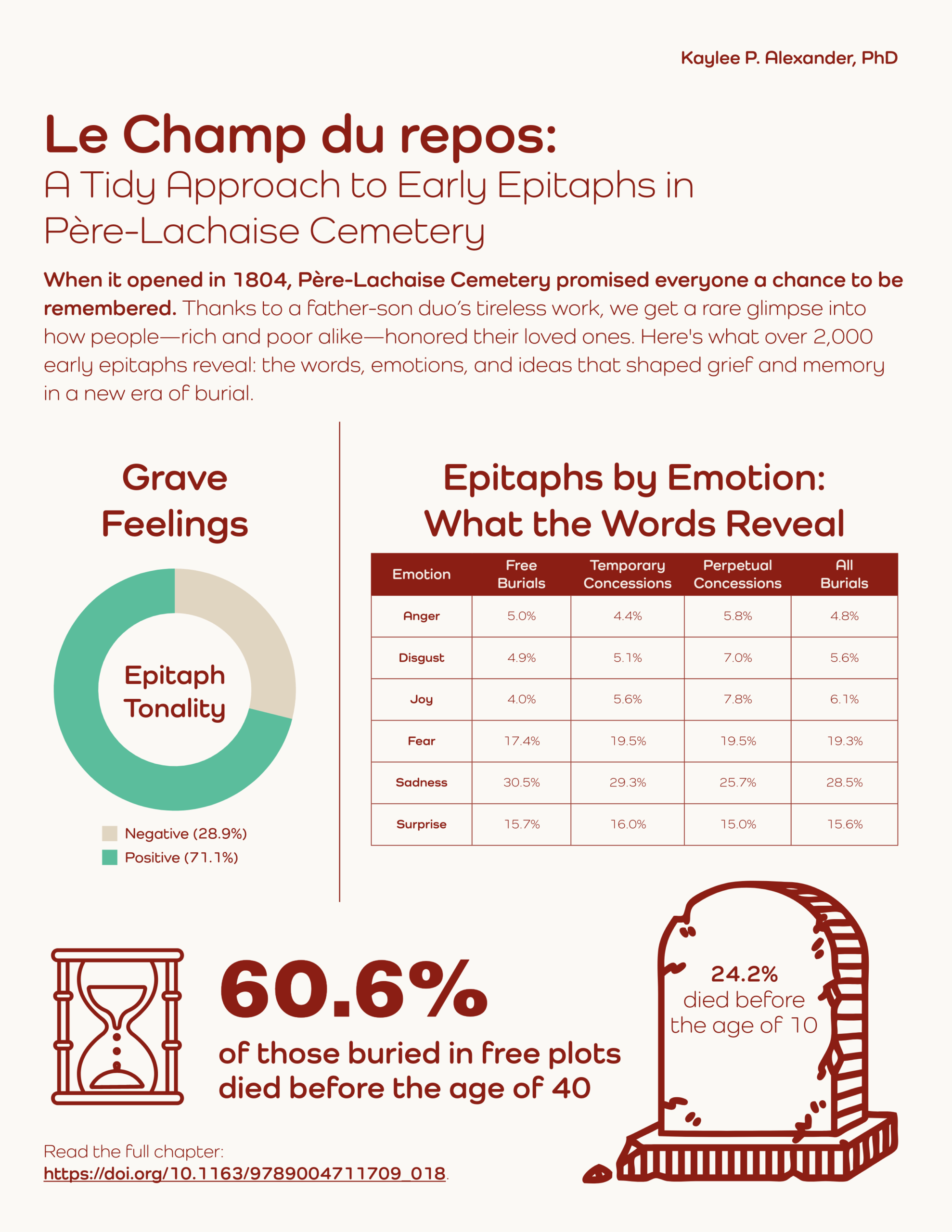
Le Champ du Repos. A Tidy Approach to Early Epitaphs in Père-Lachaise Cemetery
In Funerary Inscriptions in Early Modern Europe: Shaping Identities to Remember, edited by Veronika Brandis, Jan L. de Jong, and Robert Seidel. Intersections: Interdisciplinary Studies in Early Modern Culture, vol. 98. Brill, 2025.
A Data-Driven Analysis of Cemeteries and Social Reform in Paris, 1804–1924
Routledge Research in Art History (2024)
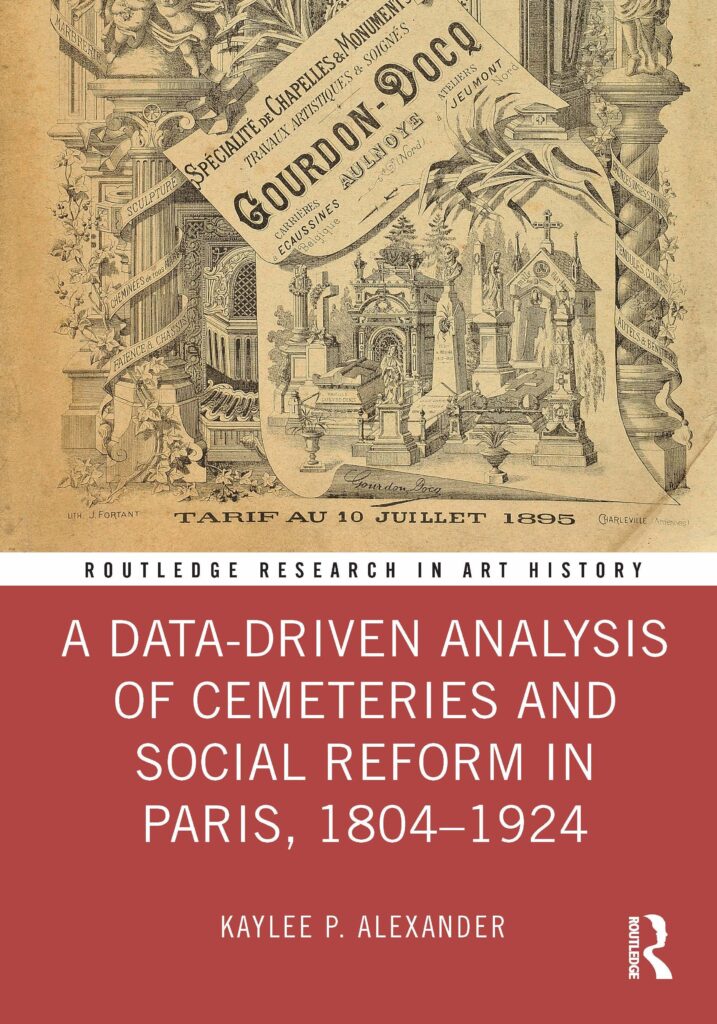
This book takes a novel, data-driven approach to the cemeteries of Paris, analysing a largely text-based body of archival material as proxy evidence for visual material that has been lost due to systematic, and legally sanctioned, acts of erasure.
This study represents the first full-length study of vernacular monuments in France and the entrepreneurs who made them. It also provides methodical considerations, at the intersection of the computational and digital humanities for managing survival biases in extant historical evidence, that are applicable beyond the thematic focus of this book. Since extant examples of these more inconspicuous monuments are rare, this project employs both distant and close viewing—analyzing commercial almanacs, work logs, and burial records in aggregates alongside detailed case studies—to compensate for gaps in the material record.
The book will be of interest to scholars working in visual culture, popular culture, digital humanities and French history. Learn more here.
In the News
July 8, 2026
February 28, 2023
May 26, 2022
March 16, 2021
Current Projects

Shelf Life: Libraries, Archives, and Collective Grief (Bristol UP)
University of Utah (2024–present)
MaRMAT: The Marriott Reparative Metadata Assessment Tool
University of Utah (2024–present)